A lacto-fermented sparkling tea.
Dry. Unsweetened. Zero alcohol.
Entirely its own category.
There is a place at the dinner table for a beverage that is Japanese, that is alive with acidity and carbonation, that pairs with food the way a dry sparkling wine pairs with food — and that contains no alcohol and no added sugar. That place is empty. bodhi is our answer.
We did not set out to make a soft drink, a juice, or a health tonic. We set out to create a tea that could occupy the role of champagne at a serious table: lifted by fine bubbles, structured by natural acidity, capable of cutting through fat and echoing delicate proteins. It had to be dry. It had to be zero-sugar. And it had to earn its keep by being poured in a flute, not a water glass.
The result is bodhi — built from a lacto-fermented tea leaf our house has spent years developing with a single Shizuoka producer. Bottled, carbonated, and shipped from Yaizu. Designed to pour alongside oysters, roast beef, charcuterie, and aged cheese with equal authority.
No added sweetness. What you taste is the tea leaf, fermented, expressed — not syrup.
Nothing to declare, nothing to age-restrict. For the dinner table, any occasion, any guest.
Structured brightness and length. Not a novelty beverage — a drink designed to function alongside food.
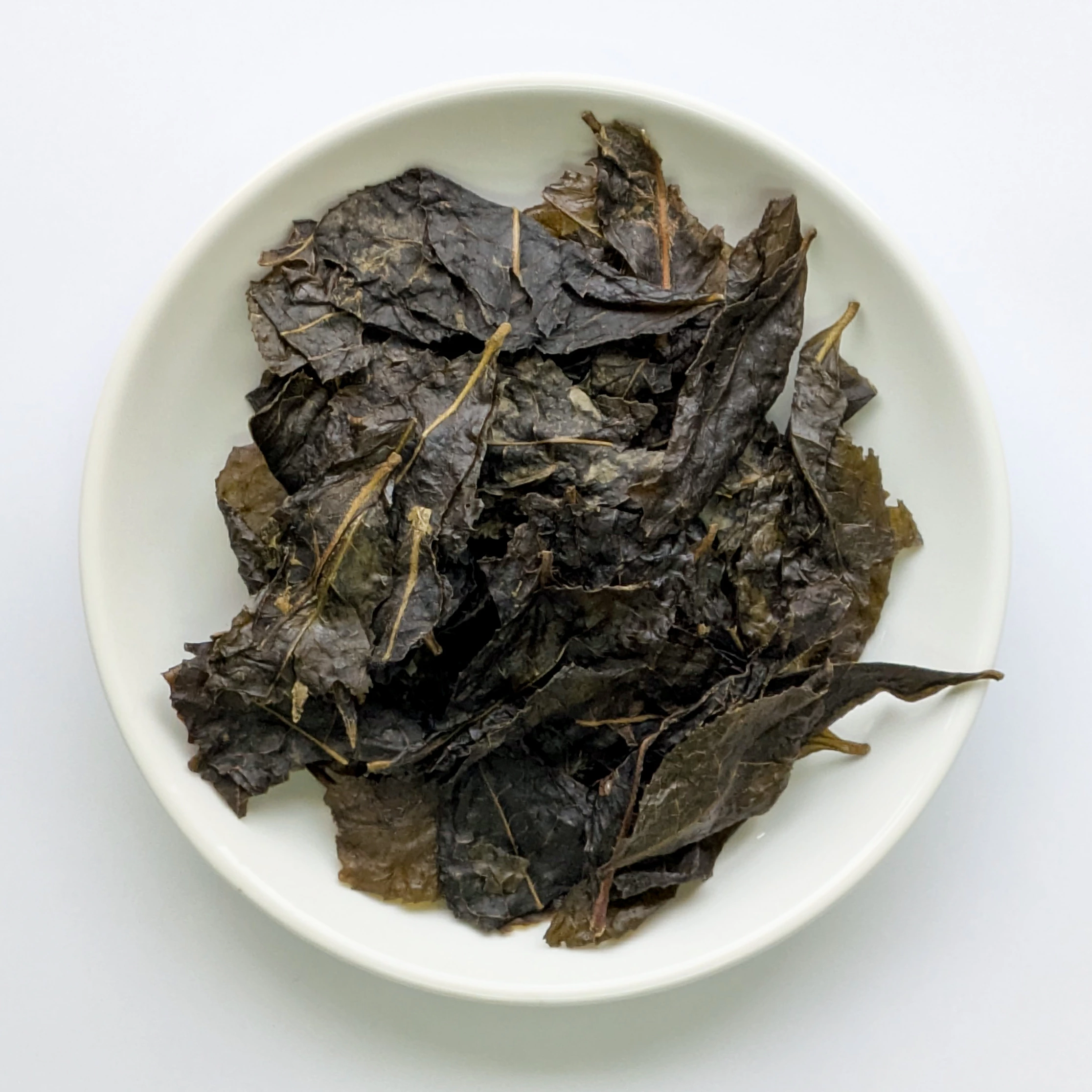
bodhi begins not with tea, but with Bodai-Sancha — a lacto-fermented tea leaf we produce over roughly four weeks with lactic acid bacteria native to the leaf itself. No starter culture is added. No sugar is introduced. The bacteria are there already; our work is to let them do theirs.
Leaf picked from the Bodai region of Fukuroi, Shizuoka. Ikedaen, our partner producer.
Fresh leaf steamed to halt oxidation and soften for the anaerobic phase to follow.
Anaerobic lacto-fermentation. Naturally present bacteria produce the bright acidity and citrus aroma unique to this leaf.
Dried to finish. The leaf now is Bodai-Sancha — a raw material in its own right, sold separately for B2B partners.
Extraction to produce the base liquor: wine-like acidity, clean finish, amber hue.
CO2 integration, bottled in a 200 mL glass bottle with crown cap, shipped from Yaizu.
The liquor is amber-gold with a fine, persistent mousse. On the nose, citrus peel and a quiet lactic brightness. On the palate, dry structure and wine-like acidity carry through to a clean, lingering finish. No residual sugar, no artificial aroma.
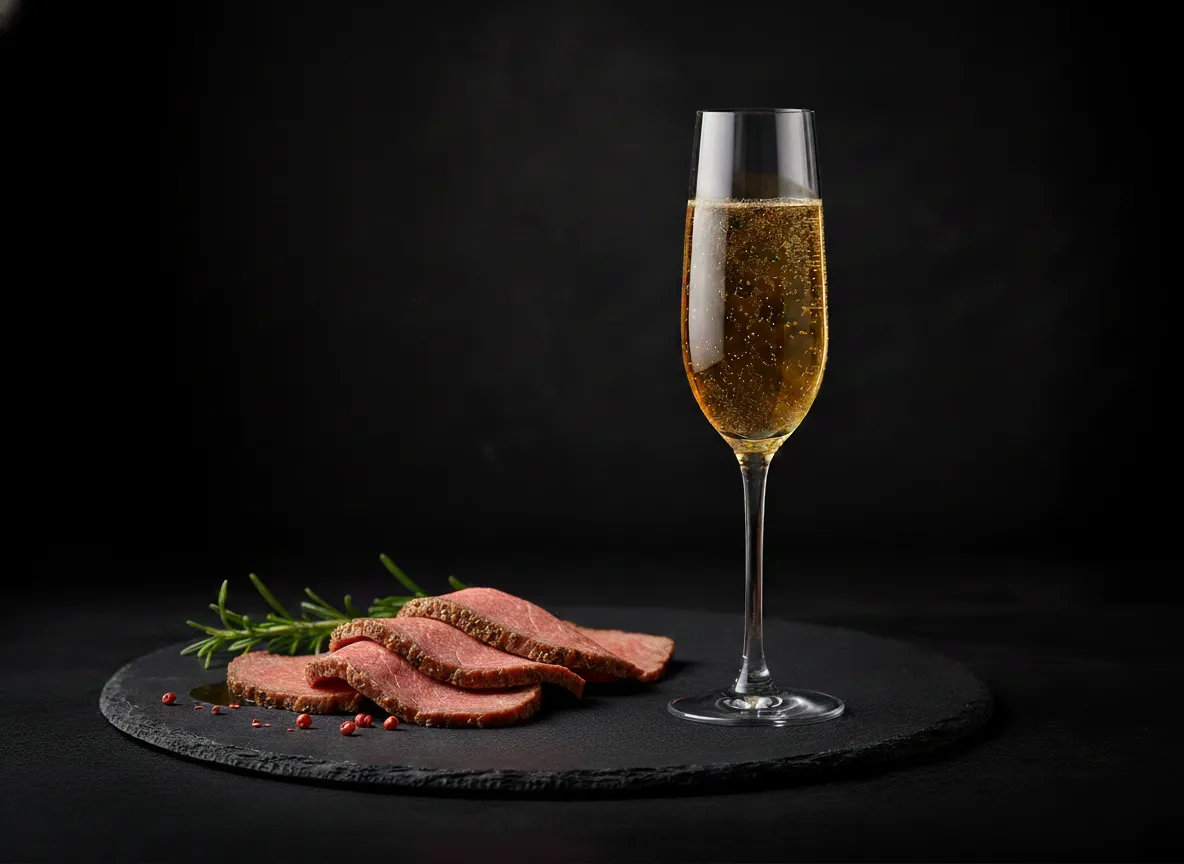
Pour bodhi into a champagne flute, chilled to 5°C. It drinks the way a young brut champagne drinks — lifted, structural, capable of holding its own with food. Pair with what you would pair a dry sparkling wine with, and you are on the right road.
Unlike flavoured sparkling teas designed around a single cuisine, bodhi is structural rather than aromatic — which means it works the way a dry champagne works: broadly, confidently, with a wide range of foods. Below, the four categories our restaurant partners return to most often.
The acidity cuts through rendered fat the way a brut champagne does. Ideal with cured beef, rare roasts, and carpaccio.
Clean finish and mineral lift mirror the brininess of oysters and raw fish without overpowering delicate textures.
Carbonation refreshes the palate between bites. Structured enough to handle blue cheese, fine enough for prosciutto.
A serious opening beverage for diners not drinking alcohol — offered in the same glassware, at the same temperature.
bodhi is often asked about in the same breath as kombucha. They share a fermentation angle, but the products diverge at every level — process, sugar, alcohol, taste, and occasion. The table below is the one we send to beverage buyers evaluating both.
The word bodai comes from the Bodai district of Fukuroi City, in Shizuoka — an area with its own quiet history of lacto-fermented tea production. Our work on Bodai-Sancha has been carried out in partnership with Ikedaen, a single grower in this district who supplies us both the tea we use to produce the raw fermented leaf and the leaf that becomes the base of this bottle.
Two harvest variants are produced: an autumn leaf with richer umami and deeper acidity, and a winter leaf with brighter, more delicate character. Both are sold separately as raw material for B2B partners developing their own fermented beverage programs.
bodhi is available to qualified B2B partners internationally. Typical partners include specialty beverage importers, fine-dining restaurants, hotel groups with non-alcoholic pairing programs, and boutique beverage retailers. Terms below are indicative — final specifications and pricing are confirmed per relationship.