Hand-picked Gyokuro from a single Shizuoka tea master — twice winner of Japan’s highest national tea award. Honzu canopy. First flush. Available exclusively through Nagamine Seicha.
玉露 · 前島東平作
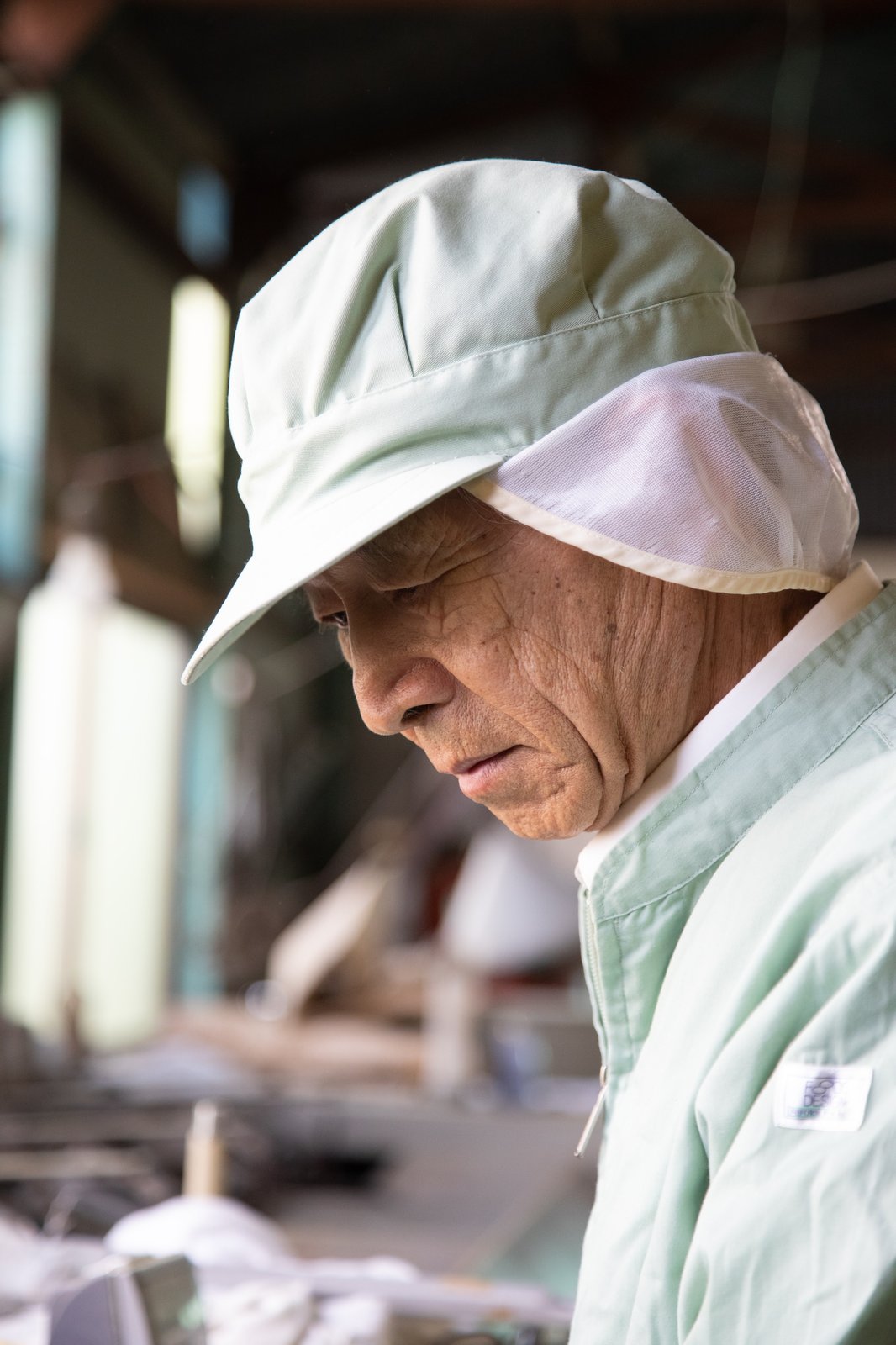
Tohei Maejima · Gyokuro tea master · Shizuoka
Tohei Maejima has spent his life producing one thing: gyokuro. Across Japan, his name is spoken in the same breath as the country’s most decorated tea masters — not as recognition we offer him, but as a fact the industry confirms each year at the National Tea Competition.
In a competition where being awarded once is the work of a career, Maejima-san has been awarded twice — the highest honour in Japanese tea, presented by the Minister of Agriculture, Forestry and Fisheries. The certificates fill the rafters of his workshop, framed and dusted by years of work below them.
What follows from his hand is not a commodity. It is a gyokuro that the most senior judges in the country have, on more than one occasion, found impossible to surpass. Nagamine Seicha is the export partner for his work.
Gyokuro is a tea that does not forgive. The shading must be exact, the picking must be exact, the steaming must be exact, the rolling must be exact. To do this, year after year, at the highest level — this is what one master does.
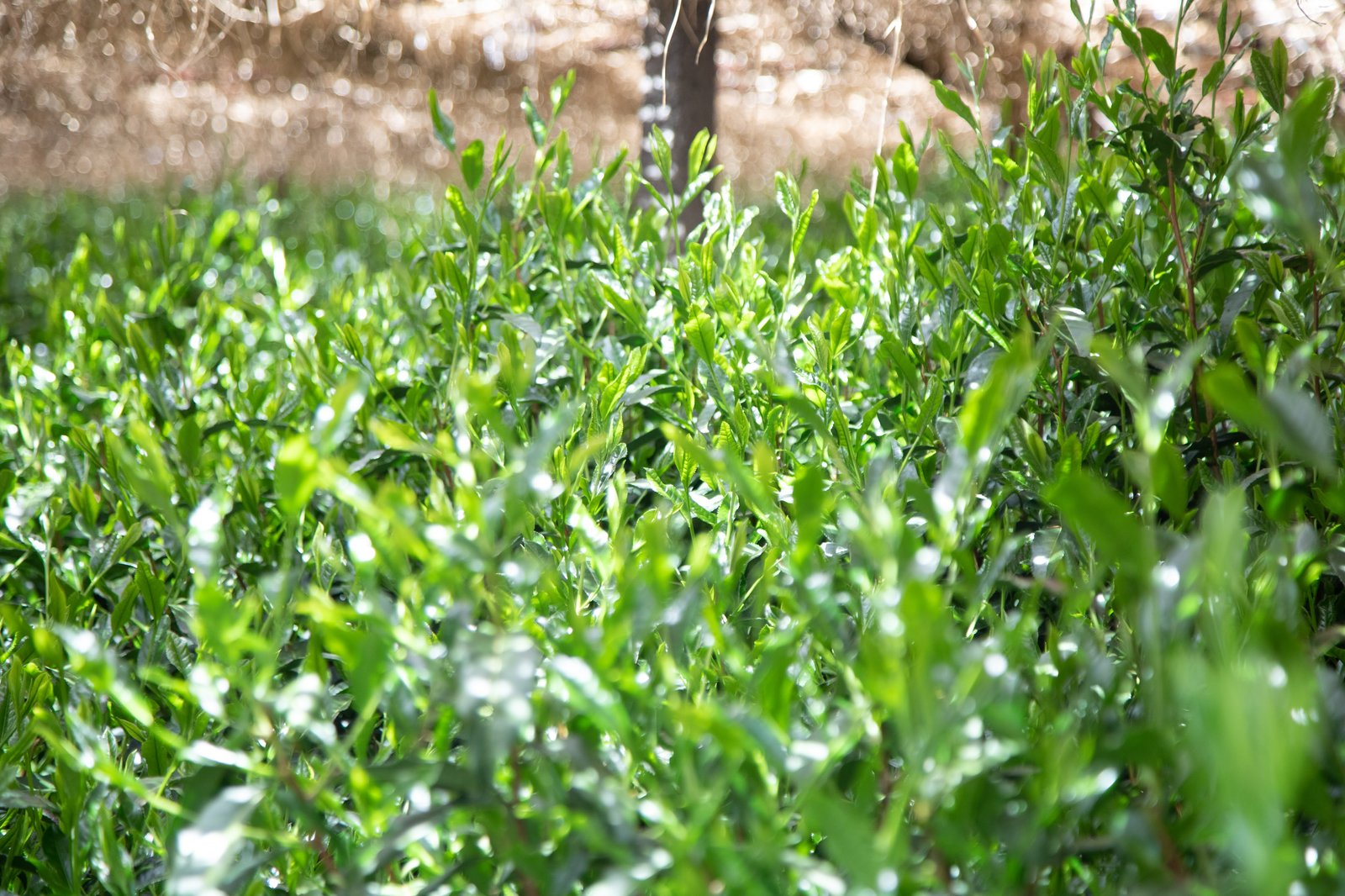
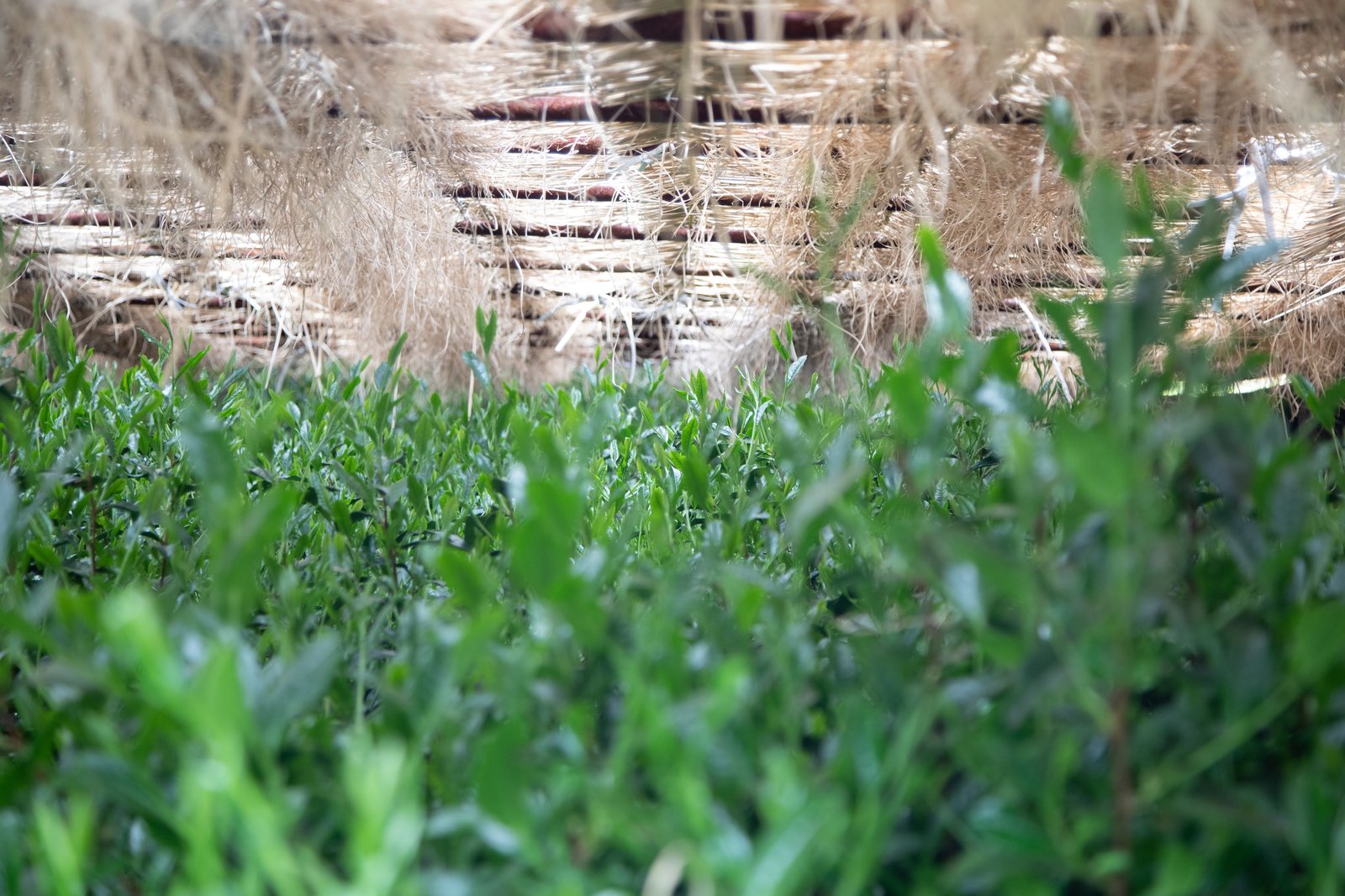
The leaf for our gyokuro is grown under honzu — a traditional shading method in which woven straw mats are laid by hand over a bamboo and timber framework above the tea rows. For roughly three weeks before harvest, the bushes receive only filtered light. Photosynthesis slows, theanine concentrates in the leaf, chlorophyll deepens, astringency softens. The result is the characteristic deep umami and silken texture that defines true gyokuro.
The honzu canopy — hand-woven straw mats over a timber-framed structure.
Filtered light beneath the canopy — deeper green, softer leaf, higher theanine.
Hand-laid straw mats reduce light on the tea bushes; theanine concentrates, chlorophyll deepens.
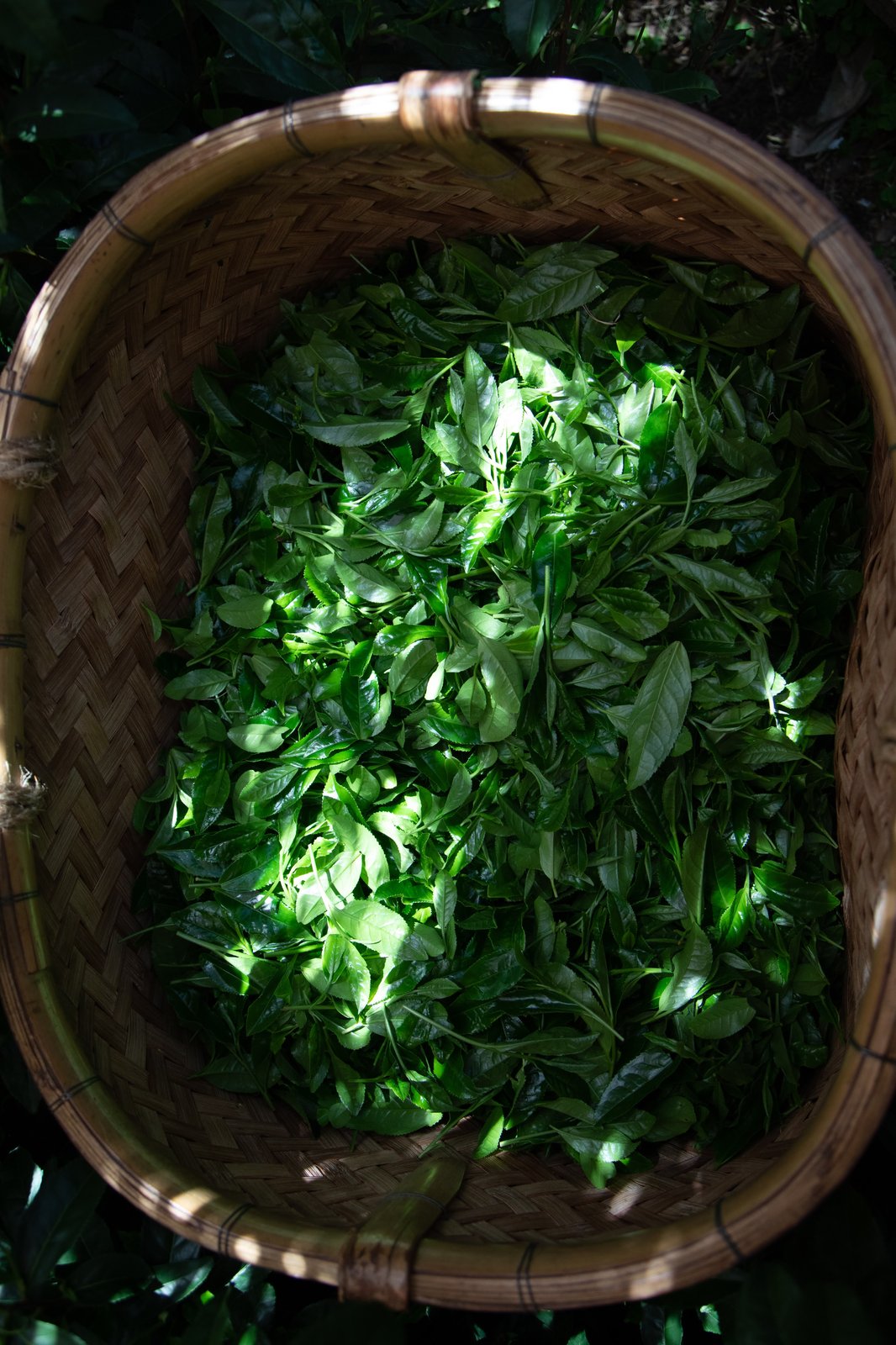
Tender new shoots are picked entirely by hand — one of the few cultivars in Japan still produced this way.
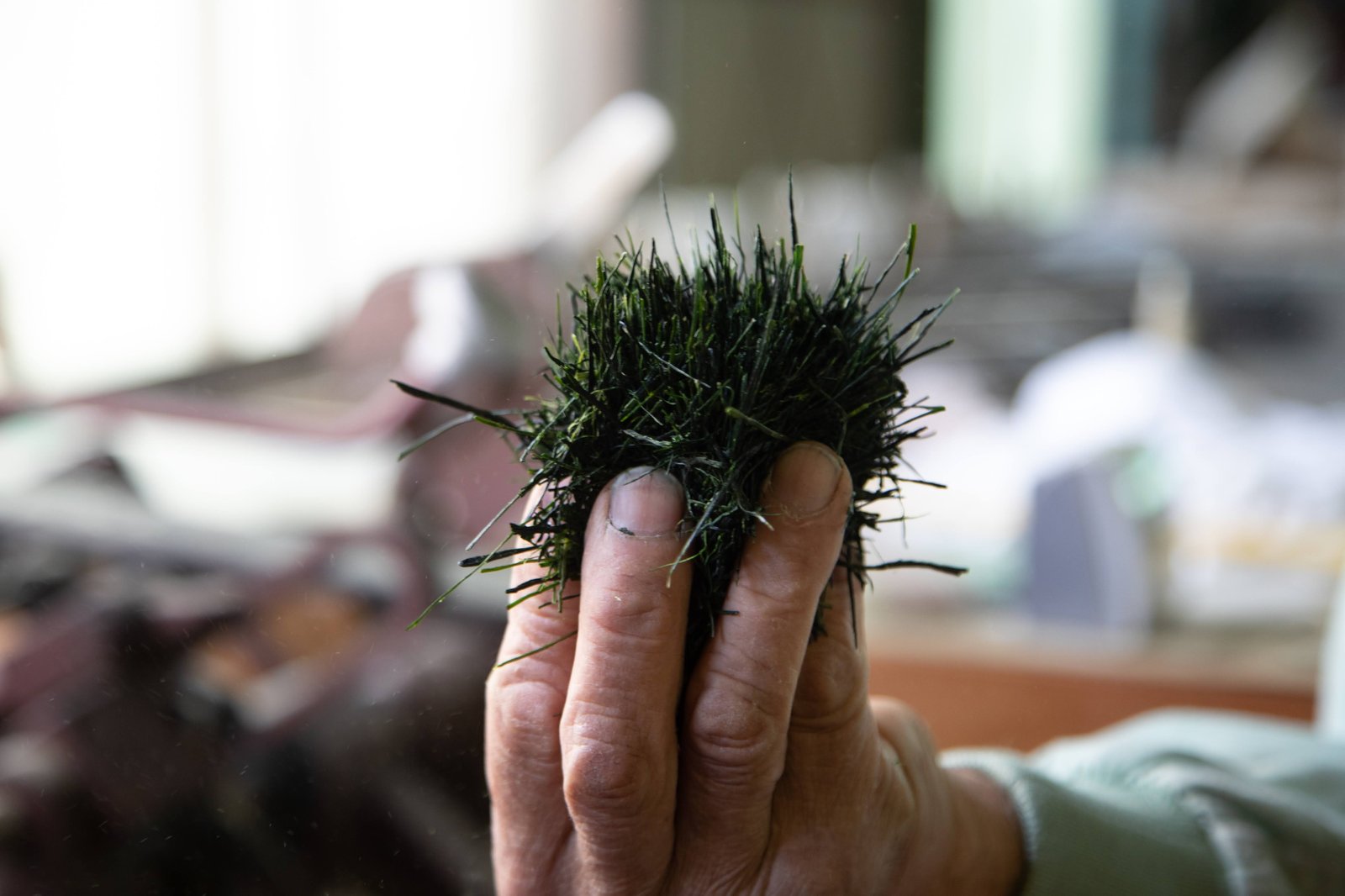
Steamed to halt oxidation, then carefully rolled to shape the long, needle-fine leaf gyokuro is known for.
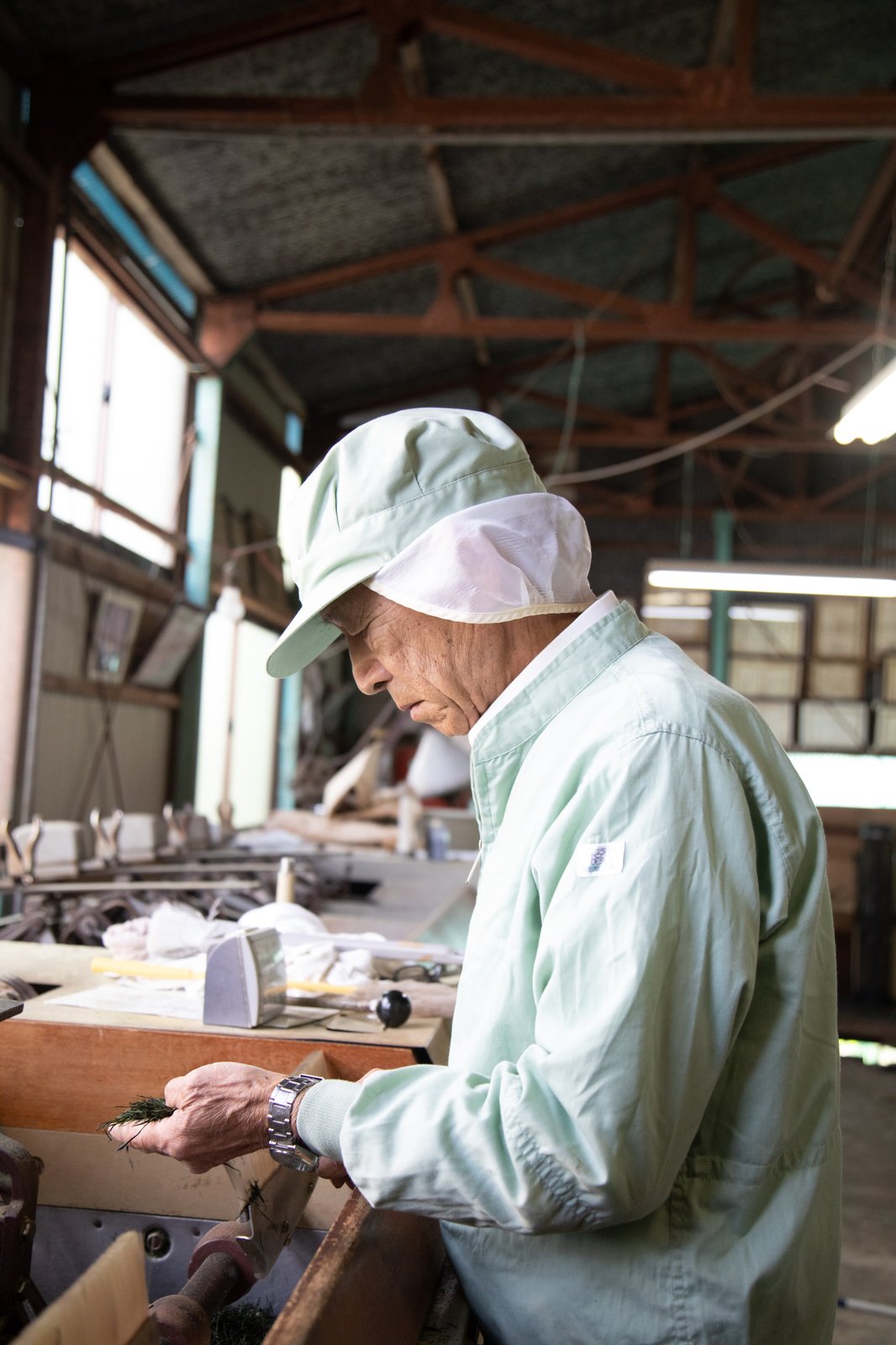
Final shaping and drying are evaluated by hand — texture, weight, and aroma must each meet the master’s standard.
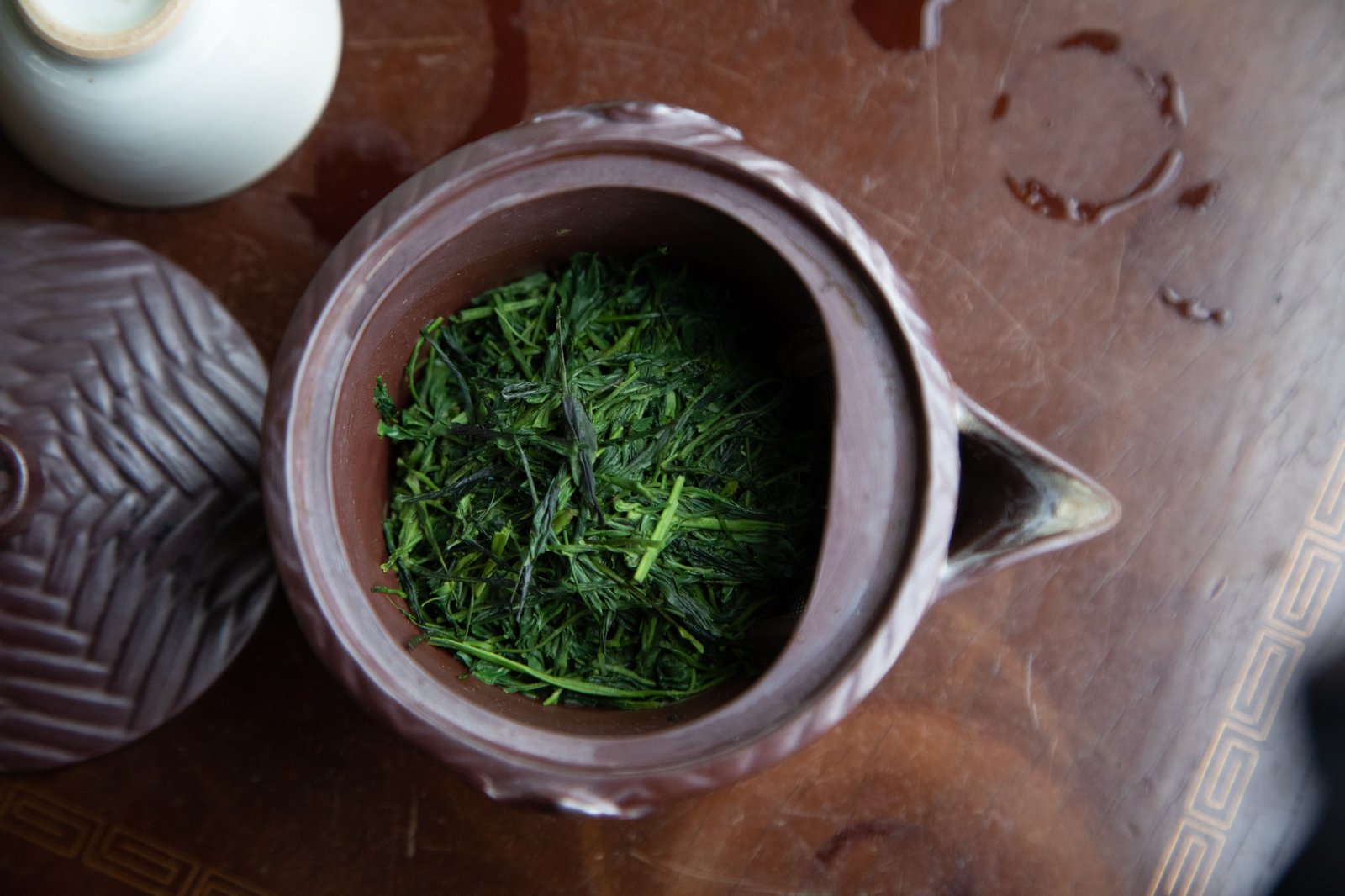
Hand-picked, hand-rolled, finished in a master’s workshop. The finished leaf is dark, glossy, and needle-fine — recognised at a glance by anyone who works seriously with Japanese tea.
Gyokuro is the only Japanese tea that demands water below 60°C. Anything hotter and the umami collapses, the bitterness rises, and the work of an entire year of shading is lost. The reward for the slower brew is unmistakable: a thick, almost broth-like body, a profound umami sometimes likened to dashi, and an after-taste that returns in waves long after the cup is empty.
For partners offering gyokuro at the table or in tasting flights, this is the tea that asks for a small cup, a gentle pour, and a moment of attention. Reward follows.
Available exclusively through Nagamine Seicha to qualified international partners. Each lot is the work of one master’s harvest year — quantity is finite, and allocation is built around long-term partnerships rather than spot transactions.